Things to Learn about Trademark Class 19: Building Materials
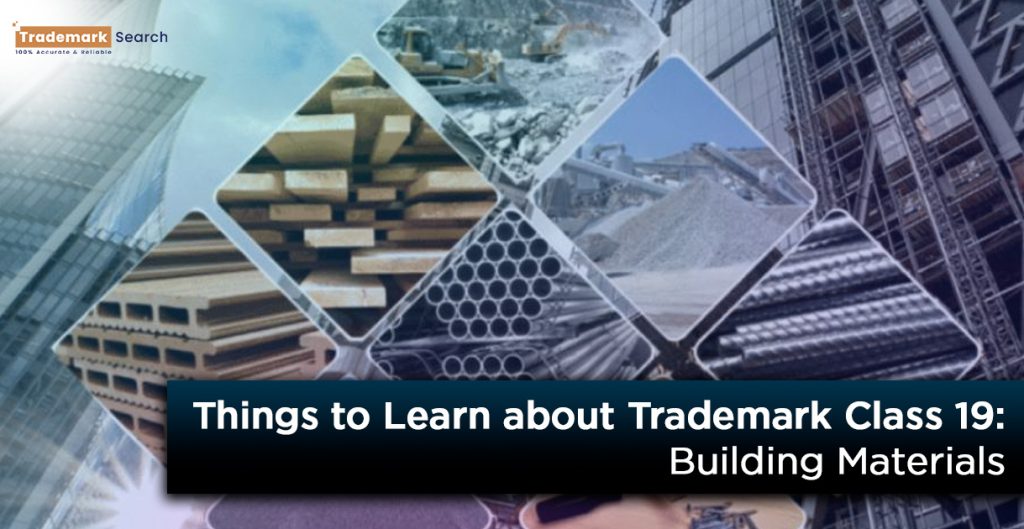

The Indian trademarking system has 45 different classes of goods and services. Trademark Class 19 covers materials used in construction, building, repairs, and renovations. It also includes materials used in constructing roads, non-metal pipes, etc.
These are the main groups of goods under Trademark Class 19:
- Building Materials: This includes cement, sand, mortar, bricks, stone, timber, etc. Granite, marble, and gravel are also included in this class. Any other component used in construction is also generally included in this class, except for metallic materials.
- Non-metallic Structures: Fences, barriers, tiles, ceramics, timber, etc., are included in this class. Plasterboards, gypsum, and other materials are also covered under the same class. All other non-metallic structures are covered under this class. A detailed list of all such goods is given in the next section.
- Non-metallic Pipes and Transportable Buildings: PVC pipes, clay pipes, concrete pipes, etc., are some of the non-metallic pipes included in this class. Prefabricated houses, portable cabins, modular homes, wooden structures, etc., are also covered in this class.
- Monuments and Decorative Materials: This class also covers gravestones, stone statues, statue busts, marble boxes, masonry, letter boxes, and other decorative materials.
- Miscellaneous Goods: This class includes aquariums, swimming pools, flag poles, and other miscellaneous components. The following section provides a more exhaustive list.
Read more: Trademark Class 20: Furniture and Plastic Goods Explained
Information of Goods under Trademark Class 19
This class covers many building materials. Below is a list of the goods covered under trademark class 19, grouped in some categories.
Building Materials
| Goods List | Goods List |
|---|---|
| Alabaster | Alabaster glass |
| Artificial stone | Asbestos cement |
| Building glass | Building materials, not of metal/construction materials, not of metal |
| Building panels, not of metal | Building paper |
| Building stone | Building timber/lumber |
| Cement | Plaster |
| Veneer | Sandstone |
| Marble | Asphalt |
| Composite decking | Fiberglass insulation |
| Cobblestones | Mud bricks |
| Engineered wood | Plywood |
| Clay | Coal tar |
| Enamelled glass | Earth for bricks |
| Granite | Paperboards |
| Clay roofing | Wood panels |
| Rocks | Rock crystal |
| Vinyl |
Non-Metallic Structures
| Goods List | Goods List |
|---|---|
| Stables | Wood for household utensils |
| Windows (non-metallic) | Wall tiles |
| Tile floorings | Terra cotta |
| Tanks of masonry | Stair treads |
| Skating rinks | Shutters (Non-Metallic) |
| Scaffolding | Roofing with solar cells |
| Roofing shingles | Reinforcing materials (non-metals) |
| Non-metallic road signs (non-luminous and non-mechanical) | Poles for power lines |
| Pigsties | Perches |
| Penstocks | Olivine for building |
| Mosaic | Manhole covers (non-metal) |
| Latticework | Greenhouses |
| Greenhouse structures | Fireplaces |
| Chimney shafts | Burial vaults |
| Aviaries | Aquarium gravel |
Non-Metallic Pipes and Transportable Buildings
| Goods List | Goods List |
|---|---|
| Vinyl Storage Buildings | Prefabricated Non-Metallic Houses |
| Wooden Cabins | Modular Homes |
| Non-Metallic Portable Buildings | Wooden Pergolas |
| Plastic Greenhouses | Non-Metallic Gazebos |
| Composite Material Sheds | Fiberglass Shelters |
| Non-Metallic Carports | PVC Pipes |
| Gutter Pipes (Non-Metals) | Drain Pipes (Non-Metal) |
| Asbestos Pipes | Fiberglass Pipes |
| Polypropylene Pipes | ABS Pipes |
| Sandstone Pipes | Other Rigid Non-Metal Pipes |
| Flexible Pipes |
Monuments and Decorative Materials
| Goods List | Goods List |
|---|---|
| Tombstones | Obelisks |
| Mausoleums | Statues |
| Statue Busts | Sculptures |
| Figurines | Commemorative Stones |
| Memorial Benches | Marble Statues |
| Letterboxes | Other Decorative Pieces of Marble, Stone, or Rocks |
Miscellaneous Goods
| Goods List | Goods List |
|---|---|
| Artificial stone | Balustrades (non-metal) |
| Cabanas | Raw chalk |
| Duckboards | Drain traps |
| Geotextiles | Lime |
| Mouldings for buildings | Quartz |
| Roofing slates | Sawn timber |
| Xylolith | 3D wall panels |
| Non-metal props | Magnesia cement |
Some Popular Class 19 Trademarks
Many construction and material manufacturing companies are famous for their durability and quality. Some of the most famous trademarks associated with trademark class 19 are:
- Corning Gorilla Glass: Corning is famous for specialised high-durability glass products. Almost all major smartphone and computer manufacturers use glass for their products due to its durability. They also manufacture glass for architectural use.
- Saint Gobain: Saint Gobain is one of the largest and oldest players in the construction space. They provide building design and construction services and manufacture the required materials. They are over 350 years old and famous for their sustainable materials and practices.
- Armstrong World Industries: Armstrong World Industries is famous for its ceiling and wall solutions and is a market leader in specialised ceiling and wall solutions.
- James Hardie: James Hardie is famous for their fibre cement products. They are the world’s largest manufacturer of fibre cement.
Read more: All About Trademark Class 18: Leather Goods and Accessories
Goods NOT Included in Trademark Class 19
As this class is quite huge and the definition of building materials can be pretty broad and flexible, it is essential to know which goods and which types of goods are not under the purview of Class 19.
Below is a list of goods that are not included in Trademark Class 19:
- Metal building materials: Metal pipes, metal brackets, metal railings, fences, etc., are not included in Class 19. All metal goods used in construction are placed under Trademark Class 6 (Metal Goods and Hardware items).
- Machinery: Construction and building machinery are classified under Trademark Class 7 (Machines). Similarly, vehicles like rollers, loaders, etc., are classified under Trademark Class 12 (Vehicles).
- Unsawn or undressed timber: Untreated and uncut wood is placed under Class 31 (Unprocessed Raw Natural Products).
- Precious metal statues, figurines, etc.: Figurines and decorative materials made using precious metals are classified under Trademark Class 14 (Precious Metals and their alloys).
- Chemicals: Chemicals used in the building and construction process, such as waterproofing agents and chemical mixers for cement, are classified under Trademark Class 1 (Chemicals).
Corresponding Classes of Class 19
Corresponding or related classes are the classes whose goods or services most closely resemble or are most frequently used together with the goods of a concerned class, which in this case is Class 19.
The corresponding classes of Class 19 are:
Class 1 (Chemicals):
Adhesives, concrete hardeners, waterproofing treatment materials, and other construction chemicals are some of the substances classified under Class 1 (Chemicals).
Class 2 (Paints and Varnishes):
Paints, varnishes, lacquers, anti-rust coatings, and other Trademark Class 2 items are frequently used during construction activities.
Class 6 (Metal Pipes and Hardware):
Metallic items used in construction and building purposes, such as metallic pipes, rebar, brackets, fittings, etc., are classified under Trademark Class 6 (Metal Hardware).
Class 7 (Machines and Tools):
Construction machinery such as power drills, nail guns, electric saws, stone crushers, excavators, etc., is included in Class 7. All types of machines and power tools are included in Class 7.
Class 17 (Rubber and Other Materials):
Class 17 contains non-metal, non-rigid pipes, rubber sheets, resins, plastic materials, etc., which may be used in the construction industry.
Class 20 (Furniture, Mirrors, Goods of Other Materials):
Wooden furniture or other wood structures like shelves, railings, etc., are a part of Class 20. Class 20 also contains items of ivory, shells, amber, etc.
Class 37 (Building Construction and Repair Services):
The service rendered by construction companies is the primary element of Class 37. Using the materials in Class 19 to provide construction services is a different class of trademark (Class 37).
Process of Getting a Registered Trademark for Your Product
India has a well-defined trademark registration process. The Indian Trademarks Registry under the Office of the Controller General of Patents, Designs & Trade Marks (CGPDTM) controls and regulates the process and oversees any disputes. You must file a duly filled application to get your intellectual property trademarked.
Below are the steps required to file for a trademark in India:
Trademark Search:
The process of trademarking begins with searching the comprehensive list of all existing trademarks to ensure that a similar trademark does not already exist. Indian Trademark Registry maintains a list of all existing trademarks. If there is no similar trademark and the applicant has a genuine and unique trademark request, it can be taken forward. If an identical trademark is found, you cannot proceed with your application, which is scrapped.
Application:
An application has to be made to the Indian Trademark Registry, which contains the nature of the proposed trademark, details of the product or service, its intended use, etc. It should include details of the proposed trademark, an appropriately selected class, and the description of the product or service it will be affixed to. The date of the trademark’s first or proposed use should also be mentioned. It should also include details of your company.
Application Review:
The Indian Trademark Registry comprehensively reviews the application and tests its veracity and genuity. It may include contacting the applicant for further clarifications and additional information. Such clarification requests are usually time-bound, and the process halts if you cannot answer them in time.
Publication in Trademark Journal:
If the Indian Trademark Registry accepts the application, the proposed trademark will be published in the Trademark Journal. A four-month objection period follows, during which oppositions and objections are invited. Existing trademark holders who want to move against it for infringement can raise such objections.
Issue of Certificate:
Suppose there are no objections to the trademark, or the objection is settled in the applicant’s favour. In that case, the registrar issues the trademark certificate, which officially signals the trademark’s inclusion in the Indian Trademark Registry. The applicant can formally use the ™ symbol after their trademarked intellectual property and enjoy legal protection from infringement. The trademark remains valid for ten years, after which it has to be renewed every ten years.
The Benefits of Having a Trademark for Your Products
While patents protect the invention or concept, trademarks protect the visuals, logos, words or other intellectual property associated with the products so that no one else can sell the same product. They protect your brand identity and ensure that rivals cannot enjoy the fruits of your labour by copying your brand’s tone and appearance. Trademarks allow consumers to identify your products in the market quickly.
Here are some of the reasons why you should think about trademarking your goods or services:
- Brand Identity: Trademarks help give your products a unique look or presence in the consumer’s mind. They make your product rememberable. Establishing a unique brand identity is crucial to developing your market and capturing a larger market share. Brand trademarks spanning multiple products can also transfer the trust to newer products of the same brand.
- Legal Protection: The most crucial benefit of acquiring a trademark registration for your product or brand is the exclusive legal right to use the trademarked intellectual property. This means that no competitor can use the trademarked intellectual property to replicate or mimic your product or service, preventing instances where competitors want to steal your success and your reputation. Trademark infringement lawsuits can result in jail time, fines, or both for the accused.
- Licensing Opportunities: No one can use your trademarked intellectual property without legal permission. This allows you to license the trademark to other entities who want to use your trademark in return for compensation, thereby acquiring more revenue streams. Licensing can only be done once your product or trademark has become relatively popular, at least enough to convince people to pay.
- Marketing Tool: Trademarks have historically been significant elements of marketing campaigns. From the shape of the iconic Coca-Cola bottle to the famous bitten Apple logo, trademarks are a core component of marketing efforts and, when harnessed correctly, are remembered through the ages. Trademarks are a core unit of a product, be it through design, packaging, colour, etc. These attributes are crucial in making a creative marketing campaign.
To Wrap Up
Trademark class 19 revolves around construction and building materials as well as other materials utilized in renovations and repairs. To get expert support in conducting a trademark monitoring and trademark Objection for class 19, visit Trademark Search.
Frequently Asked Question
What types of goods are included in Trademark Class 19?
Trademark Class 19 consists of building and construction materials such as bricks, cement, mortar, non-metallic pipes, stones, etc. It also includes non-metallic decor pieces such as marble statues and figurines.
What are some exemptions from Class 19?
Metallic construction materials, such as metal pipes, rebar, etc., are excluded from Class 19 and belong to Class 6 (Metal Hardware) instead. Similarly, Rubber and rubber products, resins, etc., belong to Class 17, even if used for construction purposes.
What is the average time taken to get a registered trademark?
Trademark registration is a lengthy process. It usually takes 18 to 24 months to obtain a trademark, but in some instances, it can also be done in 8 to 12 months.
Who is the Indian authority on trademarks?
The Indian Trademark Registry under the Office of the Controller General of Patents, Designs & Trade Marks (CGPDTM) is the Indian authority on trademarks.
Are construction chemicals included in Trademark Class 19?
No chemicals used in construction, such as waterproofing, concrete hardeners, bonding agents, etc., are classified under Class 1 (Chemicals).
How many trademark classes are there?
For trademarking purposes, there are 45 different classes of goods and services. Classes 1 to 34 are for goods, whereas Classes 35 to 45 are for services.
How long is a trademark valid?
Regardless of their class, trademarks are initially valid for ten years after the certificate is issued. After that, they must be renewed every ten years.
Do insulation materials fall under Trademark Class 19?
Certain insulation materials, such as fibreglass and stone wool, are covered under Class 19. However, rubber and plastic insulation materials fall under Trademark Class 17.
Do prefabricated homes like cabins fall under Trademark Class 19?
Yes, portable cabins, modular homes, etc., are included in Trademark Class 19.