Trademark Class 23 in Spotlight: Yarns and Threads
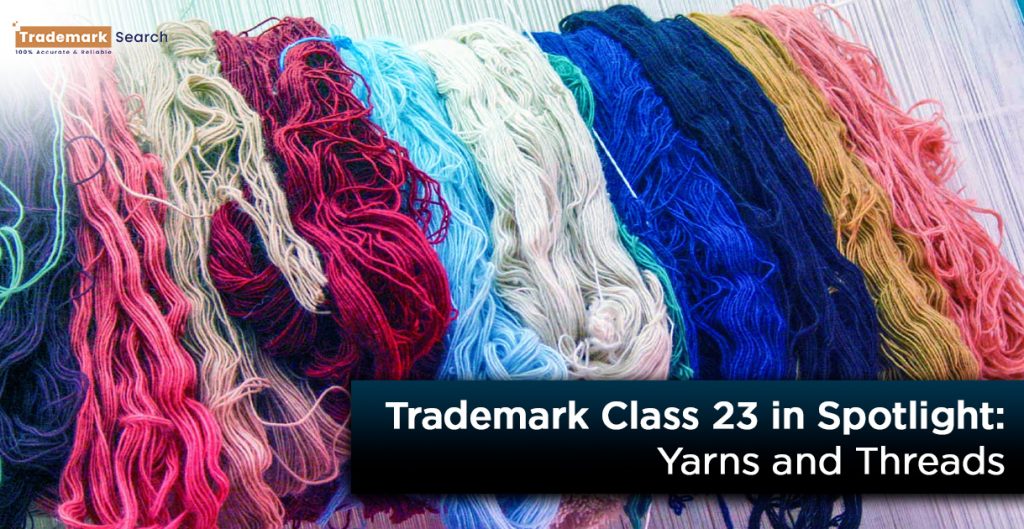

Trademark Class 23 consists of various fibres and threads used in textiles. These threads can be raw or spun. Similarly, threads and yarn for ornamental, embroidery, and other decorative purposes are also covered under this class. This blog will comprehensively cover the goods in this class, corresponding classes, exceptions, and so much more!
The main components of Trademark Class 23 are:
- Threads for Textile Use: Cotton, silk, fibreglass, elastic, rubber and other textile threads are placed under Class 23. Other threads and fibres used in clothing are also under the same class.
- Threads for Decorative Use: Trademark Class 23 covers ornamental threads, embroidery threads, and other darning and sewing threads, even metal ones.
- Spun Fibres: Spun silk, spun fibres, spun wool, spun cotton, etc., are also included in this class.
Read more: Illuminating Trademark Class 24: Textiles and Textile Goods
Information of Goods under Trademark Class 23
This class includes many different threads and fibres. Below is a detailed list of goods included in Trademark Class 23.
| Goods List | Goods List |
|---|---|
| Acrylic yarn | Carded threads in flax for textile use |
| Angora yarn | Carded threads in natural fibres for textile use |
| Camel hair yarn | Carded threads in wool for textile use |
| Cotton thread | Cotton yarn |
| Cashmere yarn | Chemical |
| Coir Yarn | Coir thread |
| Douppioni silk yarn | Darning yarn |
| Darning thread | Elastic threads |
| Elastic yarn | Embroidery floss |
| Embroidery threads (metallic) | Flax thread |
| Flax yarn | Fibreglass thread |
| Fibreglass yarn | Flocked fibres |
| Flocked yarns | Gilt threads |
| Glass threads | Glass yarns |
| Hemp threads | Hair yarn |
| Hand knitting wools | Hand knitting yarns |
| Hand-spun silk yarn | Jute threads |
| Jute Yarns | Knitting threads |
| Knitting yarn | Knitting yarns made of acrylic materials |
| Knitting yarns made of nylon | Knitting yarns made of wool |
| Linen threads | Linen yarns |
| Metal fibre threads | Mixed yarn threads |
| Natural fibres | Nylon threads |
| Plastic threads | Polyester yarn |
| Polyester threads | Paper yarn |
| Rayon threads | Rayon yarn |
| Raw silk yarn | Rubber threads |
| Rubber yarn | Sewing threads |
| Sewing yarns | Silica threads |
| Silica yarns | Silk threads |
| Silk yarns | Spools of wool |
| Spools of threads | Spun silk yarn |
| Spun thread | Spun wool |
| Spun yarn | Synthetic fibre |
| Synthetic threads | Synthetic yarn |
| Textile yarns | Textile filaments |
| Threads of plastic | Threads of metals |
| Twisted wool thread and yarn | Twisted yarn |
| Woolen threads | Worsted threads |
| Weaving fibres for industrial use | Weaving fibres for use in pump packings |
| Wild silk yarn | Waxed yarn |
| Waxed threads | Yarns and threads for decorative purposes |
| Yarns (metallic) | Yarns (glass) |
| Yarns (synthetic) |
Goods NOT Included in Trademark Class 23
Many goods might seem similar to the products mentioned above in Trademark Class 23 but do not belong to this class. Knowing about the exemptions and exceptions to this class is essential so you can file for a trademark for your good in the correct class.
Below are the goods that are not a part of Trademark Class 23:
Threads and yarn for non-textile use:
Rubber threads, fibreglass threads, and elastic threads not meant for use in textiles are not included in trademark class 23. They are a part of Class 17 (Rubber Products). Similarly, metal threads are used for binding (Class 6), and non-metal threads are used for binding and tying (Class 22).
Textile fabrics and materials:
Textiles and substitutes for textiles are a part of Class 24. Examples include bedsheets, towels, linens, etc.
Specific use threads:
Identification threads for electric wires (Cl. 9), surgical thread (Cl. 10), threads of precious metal being jewellery (Cl. 14), etc., are some examples of special-purpose threads that are part of other classes.
Some Popular Class 23 Trademarks
Some of the most popular Class 23 trademarks are:
- Anchor: Anchor threads are a well-known brand in the industry. They offer a wide range of products for embroidery, textile, and other similar purposes.
- DMC: It is particularly famous for its stranded cotton floss for embroidery and arts and crafts.
- Guttermann: They are a German brand famous for their premium quality sewing threads. They also have a wide presence in industrial uses.
- Madeira is one of the most prominent names in the embroidery niche. It offers products for both machine and hand embroidery.
Read more: Exploring Trademark Class 22: Ropes, Sacks and Bags
Corresponding Classes of Trademark Class 23
Corresponding or related classes are the classes whose goods most closely resemble the goods in the concerned class, which in this case is Trademark Class 23. They are goods of a similar nature, a similar function, or a similar material. Corresponding classes are the most likely contenders when a good is being trademarked under different classes simultaneously.
The corresponding classes of Trademark Class 23 are:
Class 22 (Ropes, Strings, and Nets):
Ropes, nets, sails, awnings, tarpaulins, sails, sacks, and raw fibrous textiles are a part of Class 22. Strings and threads might be confused; hence, keeping the distinction in mind is a good idea.
Class 24 (Textiles and Textile Goods):
When yarns and threads are weaved together to create household fabrics, they are classified as Class 24. Examples of goods in this class include household bedsheets, table covers, linens, curtains, etc.
Class 25 (Clothing and Footwear):
When the finished products made from Class 23 threads and fibres are clothing items, headgear, footwear, or other similar accessories, they are classified as Class 25.
Class 26 (Lace, Embroidery, Buttons and Hooks):
Haberdashery items, such as buttons, hooks, ribbons, laces, etc., that may be used in conjunction with goods from Trademark Class 23 are placed in Class 26.
Class 27 (Carpets, Rugs, and Mats):
Textile floor coverings, wall hangings, and other similar textile items made from materials from Class 23 are placed under Class 27. Such products include doormats, carpets, table mats, and shower mats.
Benefits of Registering a Trademark
There are numerous benefits to getting your brand’s tagline, logo, symbols, colours, or other intellectual property trademarked. The primary benefit is that it gives you the exclusive legal right to use that trademarked material. Without your legal permission, no one else can use the intellectual property.
This prevents competitors from stealing your ideas or trying to mimic your service. WIPO (World Intellectual Property Organization) by the United Nations exists to uphold the integrity of trademarks and ensure that intellectual property worldwide is given the proper legal and commercial respect.
The main benefits of trademark registration for your product or service are:
- Brand Identity: Brand identity refers to the unique positioning of your product or service in the customer’s mind. Aesthetic and design choices, along with other branding decisions, determine the acceptability and rememberability of your product by the customer. Trademarking your brand’s intellectual property ensures that your brand identity is unique and that your product and its position in the market cannot be copied. Protecting your brand identity means survivability in the long term.
- Legal Protection: The most crucial benefit of acquiring a trademark registration for your product or brand is the exclusive legal right to use the trademarked intellectual property. This means that no competitor can use the trademarked intellectual property to replicate or mimic your product or service, preventing instances where competitors want to steal your success and your reputation. Trademark infringement lawsuits can result in jail time, fines, or both for the accused.
- Licensing Opportunities: No one can use your trademarked intellectual property without legal permission. However, with proper legal permissions from the trademark holder, the trademark can be used. This means that if you are a trademark holder, you can allow entities interested in using your trademark to use it in return for compensation. This is known as trademark licensing. Trademark licensing is an excellent way of increasing your revenue by opening a new revenue stream.
- Marketing Tool: Trademarks have historically been significant elements of marketing campaigns. From the shape of the iconic Coca-Cola bottle to the famous bitten Apple logo, trademarks are a core component of marketing efforts and, when harnessed correctly, are remembered through the ages. It is essential to protect such iconic elements lest their significance and market presence be destroyed by plagiarism coupled with stiff competition. Trademarks are a core unit of a product, be it through design, packaging, colours, etc. These attributes are crucial in making a creative marketing campaign.
To Wrap Up
Trademark Class 23 deals with yarns and threads, but there are so many more goods made from these materials within the class. To get expert assistance for conducting trademark Objection and trademark monitoring, visit trademark search.
Frequently Asked Question
What is Class 23 in trademark?
Class 23 is a class of goods designated for trademarking purposes. This class of goods contains yarns, threads, and other fibres intended for textile or ornamental use.
What goods are in Trademark Class 23?
Trademark Class 23 contains yarns and threads. A deeper look would reveal silk, cotton, rayon, nylon threads, and other materials. The class focuses mainly on threads, yarns, and fibres for textiles, and it also includes these items when used for decorative purposes.
Are clothes a part of Trademark Class 23?
No, clothes are not a part of Trademark Class 23. Clothing items are a part of Class 25 (Clothing, Footwear, and Headgear).
Are precious metal threads a part of Class 23?
Yes, threads made of precious metals for fabric decoration, embroidery, etc., are part of Class 23.
How long is a trademark valid?
A trademark is valid for ten years after the trademark certificate is issued. After the initial ten years, it must be renewed every ten years.
Who is the Indian authority on trademarks?
The Indian Trademarks Registry under the Office of the Controller General of Patents, Designs, and Trade Marks (CGPDTM) is the authority on trademarks. The CGPDTM operates under the Department for Promotion of Industry and Internal Trade (DPIIT), Ministry of Commerce and Industry, Government of India.
How can a product be trademarked?
After selecting an appropriate class that reflects the nature of your product, a duly filled application has to be made and filed with the Indian Trademarks Registry. All information regarding your business, product or service, and proposed trademark has to be provided. After a thorough review and an objection period, the trademark is granted if no similar existing trademarks exist.